Why Western Medicine Struggles to Understand Filipino Espiritista Healing
When Western observers encounter traditional Filipino Espiritista healing, commonly known as psychic surgery, the rigid framework of conventional medicine often clashes with deeply rooted spiritual practices. This blog post explores the fundamental friction between clinical science and traditional mind-body paradigms, shedding light on why empirical investigation faces unique barriers in evaluating these unconventional healing traditions.
Key Takeaways
- Traditional Filipino Espiritista healing blends indigenous shamanic trances with centuries of Catholic and Christian spiritual influences.
- Western observers coined the term "psychic surgery" in the 1970s and 1980s to describe non-invasive therapeutic sleight of hand.
- Empirical science struggles to validate or disprove these phenomena due to a lack of conventional laboratory tools for measuring spiritual experiences.
- Economic and cultural factors in the Philippines encourage a community-based healthcare model where folk healers accept donations instead of fixed fees.
- Integrating psychological factors and placebo mechanisms could ultimately help modern medical systems understand alternative healing modalities better.
The Collision of Two Worlds: Science Meets Spirit
For decades, medical professionals trained in Western universities have attempted to categorize and evaluate the healing methods practiced by Filipino Espiritistas. To a clinical researcher accustomed to double-blind clinical trials, randomized metrics, and pharmacological interventions, practices involving trance states and spiritual mediumship appear incompatible with scientific reality. However, this friction highlights a deeper epistemological divide: Western medicine primarily treats the physical machine, while Espiritista practices address the broader human condition through a spiritual and psychosocial lens.
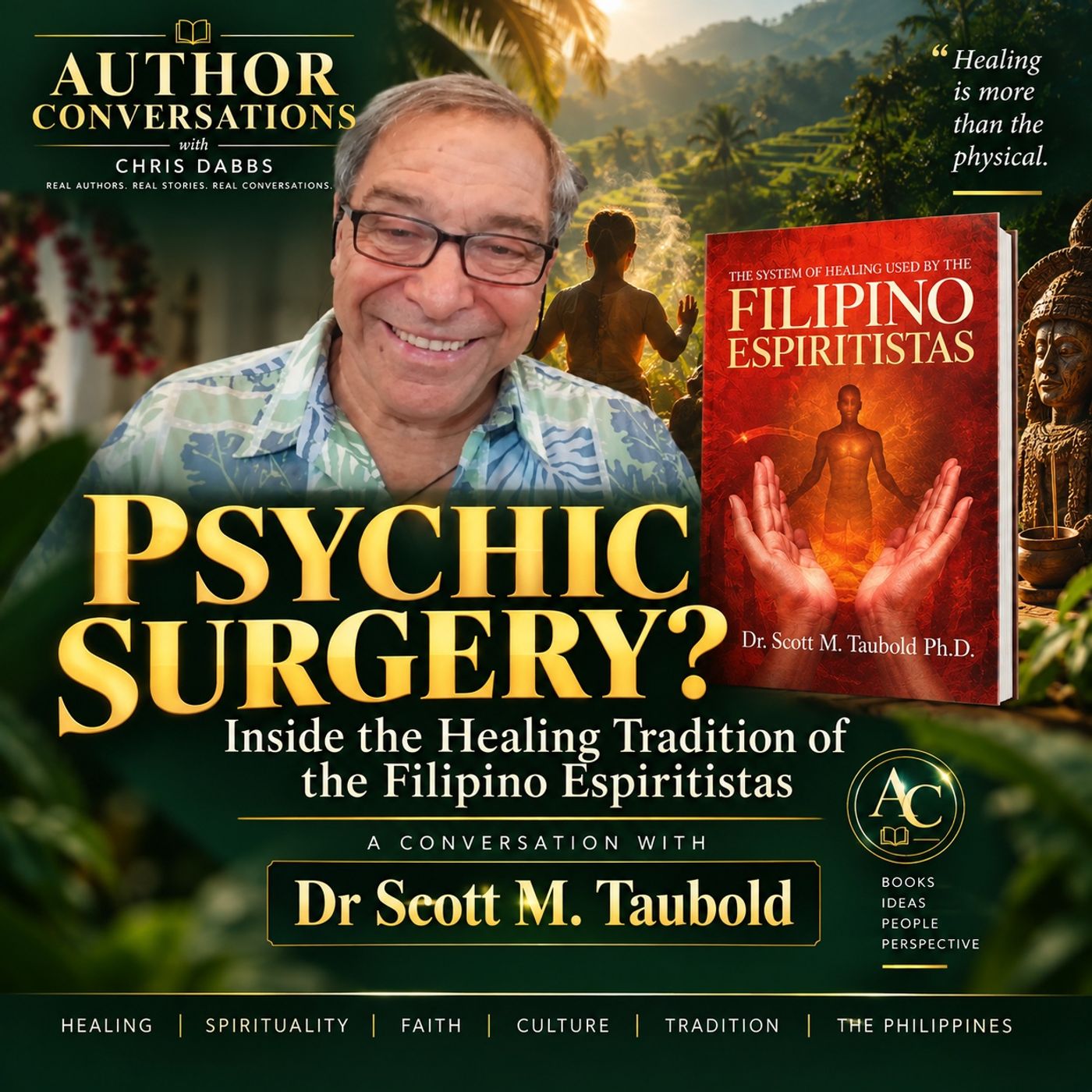
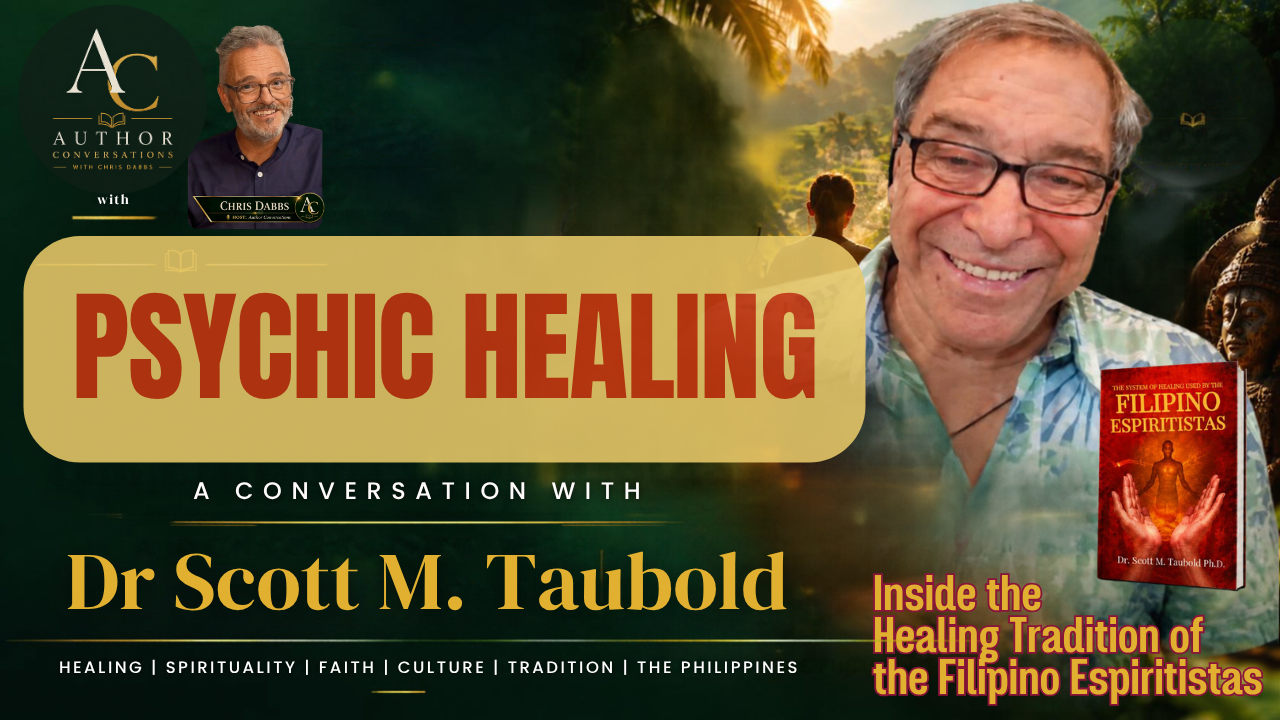
When researchers like Dr. Scott Taubold examine these systems, they must navigate the delicate boundary between strict scientific skepticism and cultural anthropology. The absence of traditional journal articles or laboratory data does not automatically invalidate a cultural practice; rather, it underscores the limitations of Western investigative tools when applied to non-material dimensions of human wellness.
The 1970s Craze and the Label of Sleight of Hand
During the 1970s and 1980s, the Philippines experienced a surge of international curiosity. Foreign travelers, including notable celebrities, journeyed to Southeast Asia to witness practitioners performing what looked like surgical operations without anesthetics or conventional tools. Critics were quick to point out charlatans and therapeutic sleight of hand. Yet, as historical and anthropological analyses show, therapeutic trickery has ancient roots extending all the way back to early shamans who utilized ritualistic performance to unlock the placebo effect and spark psychological healing.
Community Healthcare vs. Capitalist Medicine
One of the most striking differences between Western healthcare models and the Filipino tradition is the underlying economic structure. In the United States and many other capitalist countries, modern medicine operates as a profit-generated industry governed by insurance companies, regulatory bodies like the AMA, and expensive prescription regimens.
Conversely, the rural healthcare hierarchy in the Philippines offers a compelling contrast:
- Family Elders: When an individual feels unwell, the first line of defense is usually a family member who administers herbal teas and home remedies.
- Neighborhood Folk Healers: If symptoms persist, locals visit a community Espiritista or folk healer who provides treatment without demanding high fees.
- Donation-Based Economy: Rather than issuing invoices, traditional healers typically accept modest gifts, such as canned goods or pantry items, operating primarily for the sake of community service.
- Integration with Clinics: Patients frequently fluidly move between folk healers and Western clinics, utilizing whichever resource best addresses their immediate needs without ideological rigidness.
The Limits of Empirical Investigation
Why is it so difficult for modern science to evaluate Espiritista healing? The core challenge lies in measurement. Hard science relies on observable, quantifiable data. When a practitioner claims to channel discarnate entities or create space akin to a fourth-dimensional shift, standard medical diagnostic equipment cannot easily capture or quantify the mechanism at play.
Furthermore, observer bias and the profound role of mind-body medicine complicate research efforts. Psychosocial variables, patient expectation, and the deep cultural trust placed in community healers all contribute to physiological responses that standard clinical trials struggle to replicate in a laboratory setting.
Conclusion
Exploring the intersection of Filipino Espiritista traditions and Western science challenges us to broaden our worldview regarding human healing capacity. While skepticism remains a necessary component of medical research, dismissing traditional practices outright risks losing valuable insights into mind-body medicine and community-centered care. To dive deeper into the research, historical context, and personal experiences behind these extraordinary traditions, Listen to the full episode of Author Conversations with Chris Dabbs to hear the complete discussion.
Frequently Asked Questions
What is Filipino Espiritista healing?
Filipino Espiritista healing is a traditional practice combining indigenous Filipino shamanism, cultural beliefs, and Christian spiritualism, often historically referred to by Western observers as psychic surgery.
Why do Western scientists often dismiss these practices?
Western science relies on quantifiable laboratory data and clinical trials. Because Espiritista healing involves trance states, spiritual elements, and non-material explanations, conventional tools struggle to measure or validate the phenomena.
How does healthcare access in the Philippines differ from Western models?
In many Filipino communities, healthcare is community-based and accessible without insurance. Local folk healers often operate on a donation basis, accepting items like canned goods rather than charging fixed capitalist medical fees.
What role does the placebo effect play in traditional healing?
Researchers note that therapeutic ritual, cultural expectations, and mind-body medicine heavily influence recovery. Even when sleight of hand or ritualistic performance is involved, the psychological impact can trigger genuine physiological healing responses.