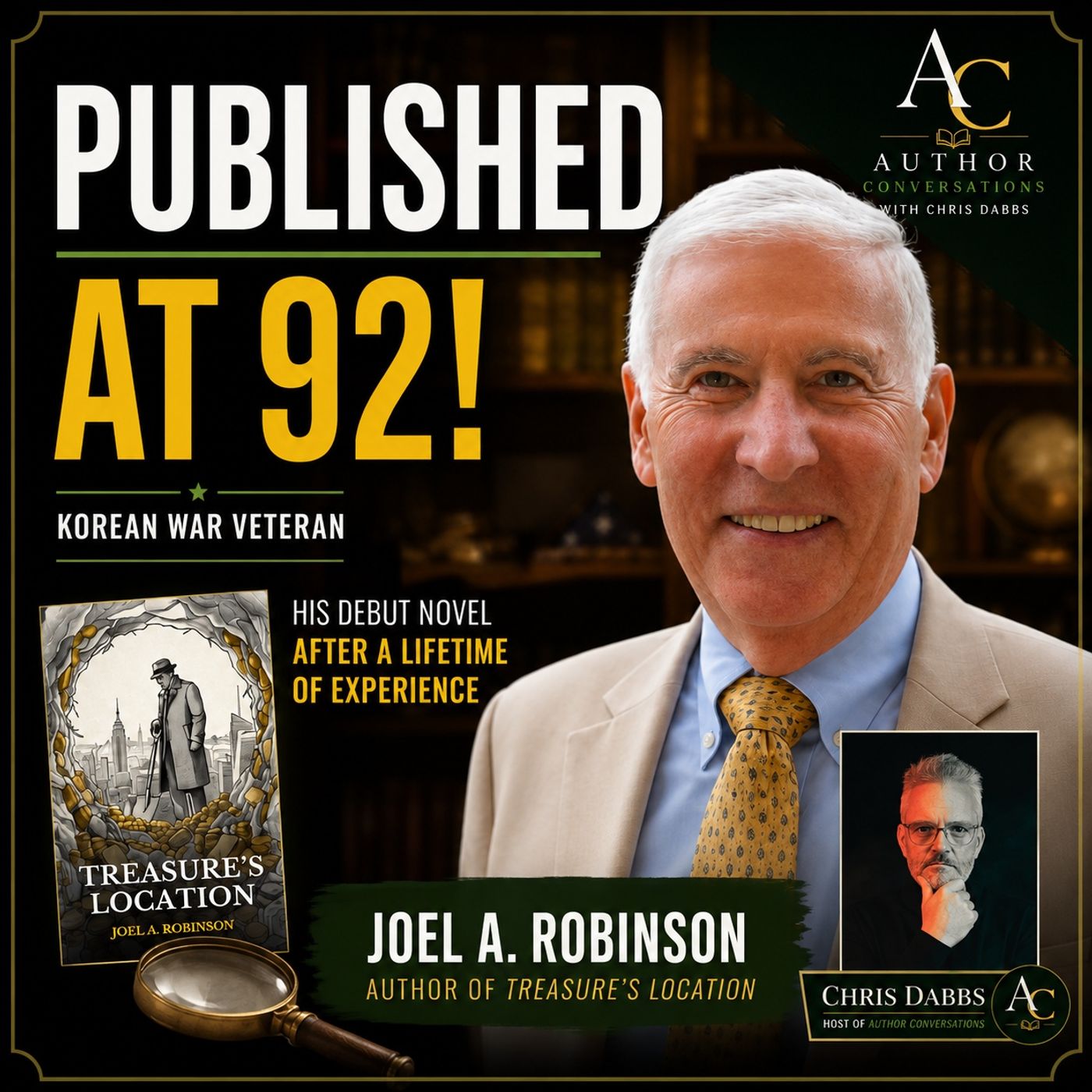
Publishing Your First Novel at 92: Lessons in Late-Life Creativity and Perseverance

Discover how lifelong experiences, military service, and a near-death medical emergency shaped the remarkable journey of a nonagenarian debut novelist. In this post, we explore the creative resilience required to finish and publish a major historical thriller at 92 years old, proving that artistic ambition and storytelling have no expiration date.
Key Takeaways
- Debut novels can successfully be written and published in your nineties with the right mindset and editorial guidance.
- Real-life experiences—ranging from Korean War service to Wall Street statistics—provide rich material for international historical thrillers.
- Accepting professional criticism and editorial feedback is essential for transforming a lifetime of ideas into a polished book.
- Surviving major health crises later in life can fuel unexpected creative productivity and drive a renewed sense of purpose.
The Reality of Late-Life Writing and Creative Resilience
Many aspiring writers spend decades dreaming about penning a novel, but few possess the sheer endurance to bring that project to life in their ninth decade. When we think about major literary debuts, youth and mid-career breakthroughs usually dominate the conversation. However, the determination to share a story built over a lifetime offers a unique perspective on the creative process. Writing a book at an advanced age demands a rare combination of discipline, reflection, and an openness to learning new skills that many abandon far earlier in life.
For authors starting later in life, the challenge is rarely a lack of material. Instead, the hurdle lies in structuring decades of memories, historical research, and personal philosophies into a compelling narrative arc. Editorial collaboration becomes vital during this phase. Even those with extensive academic backgrounds in literature and philosophy discover that writing commercial fiction requires an entirely different set of rules.
Transforming Real-Life History into Thriller Fiction
Blending actual historical events with fictional characters creates a rich tapestry that draws readers deep into a story. Drawing inspiration from real financial mysteries, post-World War II intelligence operations, and international treasure hunts allows a debut novelist to ground high-stakes suspense in authentic historical detail. When a story touches upon real-world entities like the formation of the Mossad or post-war European currency tracking, the fiction gains a layer of credibility that purely imaginative plots often lack.
The Value of Firsthand Experience
Authors who have lived through monumental historical epochs bring an unmatched authenticity to their prose. Whether it is navigating the mathematical complexities of statistical analysis on Wall Street or understanding the quiet dangers of intelligence work, personal history breathes life into fictional protagonists. Readers can instantly sense when a writer understands the gravity of high-stakes environments, making the suspense far more visceral and believable.
Embracing Criticism and Continuous Improvement
A common trap for older creators is the assumption that accumulated life experience shields their work from constructive critique. On the contrary, true mastery requires vulnerability. Accepting tough editorial feedback is just as difficult for a nonagenarian as it is for a twenty-something debut author. True artistic growth only happens when creators prioritize the quality of the final product over their own ego.
Furthermore, seeking honest outside opinions remains one of the hardest parts of publishing. Friends and family members often hesitate to offer true literary criticism out of politeness. Finding objective editorial partners who can mercilessly trim, refine, and restructure a manuscript is the defining difference between a private journal and a published novel.
Conclusion and Full Episode Access
The journey from a lifelong dream to holding a finished, published novel in your hands is proof that creativity does not age. To hear the full, incredible story of survival, military service, and literary ambition, make sure to check out the complete conversation. Listen to the full episode to dive deeper into the fascinating background behind this unique literary achievement.
Frequently Asked Questions
Can you really publish your first novel in your nineties?
Yes, publishing a debut novel at 92 is entirely possible, provided the author has strong storytelling ideas, dedication to the craft, and willingness to work with professional editors.
How do life experiences help in writing historical fiction?
Firsthand experience with historical eras, military service, and financial sectors provides authors with realistic details, authentic character motivations, and accurate high-stakes plots.
Why is editorial feedback important for older debut authors?
Even writers with strong academic backgrounds in literature need objective editorial guidance to transition from personal storytelling to structured, commercially engaging fiction.
How does personal resilience impact late-life creative projects?
Overcoming significant physical and medical challenges late in life often provides a renewed sense of urgency and mental clarity, fueling ambitious artistic projects like writing a full-length novel.
Are Jaffa Cakes Cakes or Biscuits? The Surprising UK Legal Battle