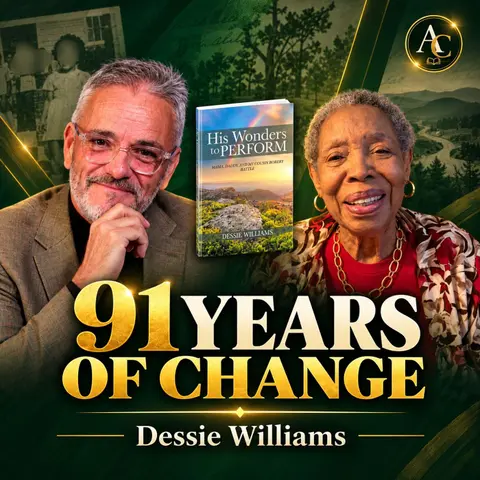
Preserving Oral Family History: Lessons from 91-Year-Old Author Dessie Williams
Discover how capturing everyday family stories and oral histories can preserve generations of cultural heritage. In this in-depth guide, we explore the methodology behind turning personal memories, parental wisdom, and local folklore into a lasting written memoir, drawing inspiration from the remarkable life experiences of 91-year-old author and former educator Dessie Williams.
Key Takeaways
- Learn the primary motivations behind transitioning from oral storytelling to writing a structured family memoir.
- Understand the importance of documenting working-class life, rural communities, and generational struggles before they fade.
- Explore strategies for framing ancestors with nuance, portraying them as complex individuals rather than idealized saints.
- Connect personal family milestones to broader historical contexts to create a richer narrative tapestry.
The Urgency of Recording Oral History
Every family possesses a treasure trove of unwritten history. From mundane daily routines to extraordinary moments of triumph and survival, these stories form the bedrock of our cultural identity. However, as older generations pass away, the window to capture these first-hand accounts closes permanently. For Dessie Williams, the catalyst for writing her book His Wonders to Perform came after a lifetime of teaching and witnessing remarkable family milestones—such as her cousin Robert Battle's journey from a childhood of physical adversity to leading the prestigious Alvin Ailey American Dance Theater.
Waiting until retirement allowed Williams the necessary space to finally put words to paper, transforming decades of accumulated family lore into a permanent historical artifact. For aspiring memoirists, her journey highlights a crucial lesson: the best time to start documenting family history is now. Whether through informal voice-recorded interviews, handwritten journals, or structured chapter outlines, capturing the voices of elders ensures that their resilience, humor, and wisdom survive for future generations.
Overcoming the Procrastination of Writing
Many individuals harbor lifelong dreams of writing a book, yet constantly delay the process due to professional obligations, self-doubt, or the sheer intimidation of a blank page. Williams noted that her urge to write traditionally struck every September at the start of the school year—ironically mirroring the desire to escape academic pressure or extend a vacation. Overcoming this inertia requires shifting the perspective from writing a "masterpiece" to simply preserving specific, vivid anecdotes.
Capturing Nuance: Avoiding the "Saintification" of Ancestors
When writers approach family memoirs, a common pitfall is the temptation to idealize relatives, painting parents and grandparents as infallible figures of pure virtue. Yet, true historical authenticity demands nuance. In her writing, Williams deliberately chose not to turn her parents, Anna and Willie Horn, into saints. Instead, she captured their authentic complexities—depicting them as funny, proud, sometimes difficult, deeply courageous, and wonderfully contradictory.
For instance, Willie Horn was a man of immense integrity and quiet dignity who refused to bow to systemic degradation, yet he openly admitted his fear of drowning in the local river. Meanwhile, Anna Horn was fiercely strong, capable of chopping wood and harvesting oysters while simultaneously pushing her husband out of his comfort zone. By embracing these contradictions, a memoir transforms from a flat, sentimental tribute into a vibrant, believable portrait of human survival and partnership.
The Value of Childhood Observations
Children often absorb far more of their environment than adults realize. Williams openly admitted to being an enthusiastic eavesdropper, listening intently to adult conversations, parental debates, and community gossip. These fragments of dialogue provided the rich texture needed to reconstruct historical settings like "Old Town" and the working-class "quarters." Writers documenting their family histories should mine their earliest childhood memories, paying attention to sensory details—the sound of voices, the layout of a home, the taste of local food—to bring their narratives to life.
Documenting the Shift in Living Conditions and Culture
Preserving family history inherently means recording the dramatic evolution of societal living conditions. Williams's accounts of growing up in modest quarters—where homes lacked running water and interior walls were often insulated with newspapers—offer modern readers a tangible glimpse into the past. These details do more than tell a personal story; they map the economic and social changes that shaped entire communities over the course of a single lifetime.
By contrasting the world of her childhood with contemporary society, Williams bridges the gap between distant historical data and human experience. When we record how our ancestors worked, traveled, socialized, and entertained themselves on weekends, we provide future historians with invaluable primary sources that textbooks often overlook.
Conclusion
Writing a family memoir is one of the most profound ways to honor the struggles, triumphs, and everyday wisdom of the people who came before us. By following the example of authors like Dessie Williams, we learn to embrace the authentic, unpolished truths of our family trees rather than sanitizing them for comfort. If you are inspired to uncover more about preserving life stories and historical memories, Listen to the full episode of Author Conversations with Chris Dabbs to hear the complete, unedited interview and dive deeper into the remarkable life and mind of Dessie Williams.
Frequently Asked Questions
What inspired Dessie Williams to write her family memoir at age 91?
Williams was primarily inspired by a desire to preserve the extraordinary blessings and good fortune experienced by her family, particularly her cousin Robert Battle's remarkable journey to leading the Alvin Ailey American Dance Theater, combined with the accumulated memories of her parents' lives.
Why is it important to avoid idealizing family members in a memoir?
Portraying relatives with all their flaws, contradictions, and complexities creates a much more authentic, relatable, and engaging narrative than turning them into idealized saints.
How can childhood memories help in writing a historical family book?
Childhood observations and overheard conversations provide vivid sensory details, authentic dialogue, and a grounded perspective on everyday living conditions that formal historical records often miss.
What role did oral history play in preserving Dessie Williams's family accounts?
Oral history served as the foundational building block for her book, allowing her to pass down stories of community gatherings, parental resilience, and working-class survival to modern readers.