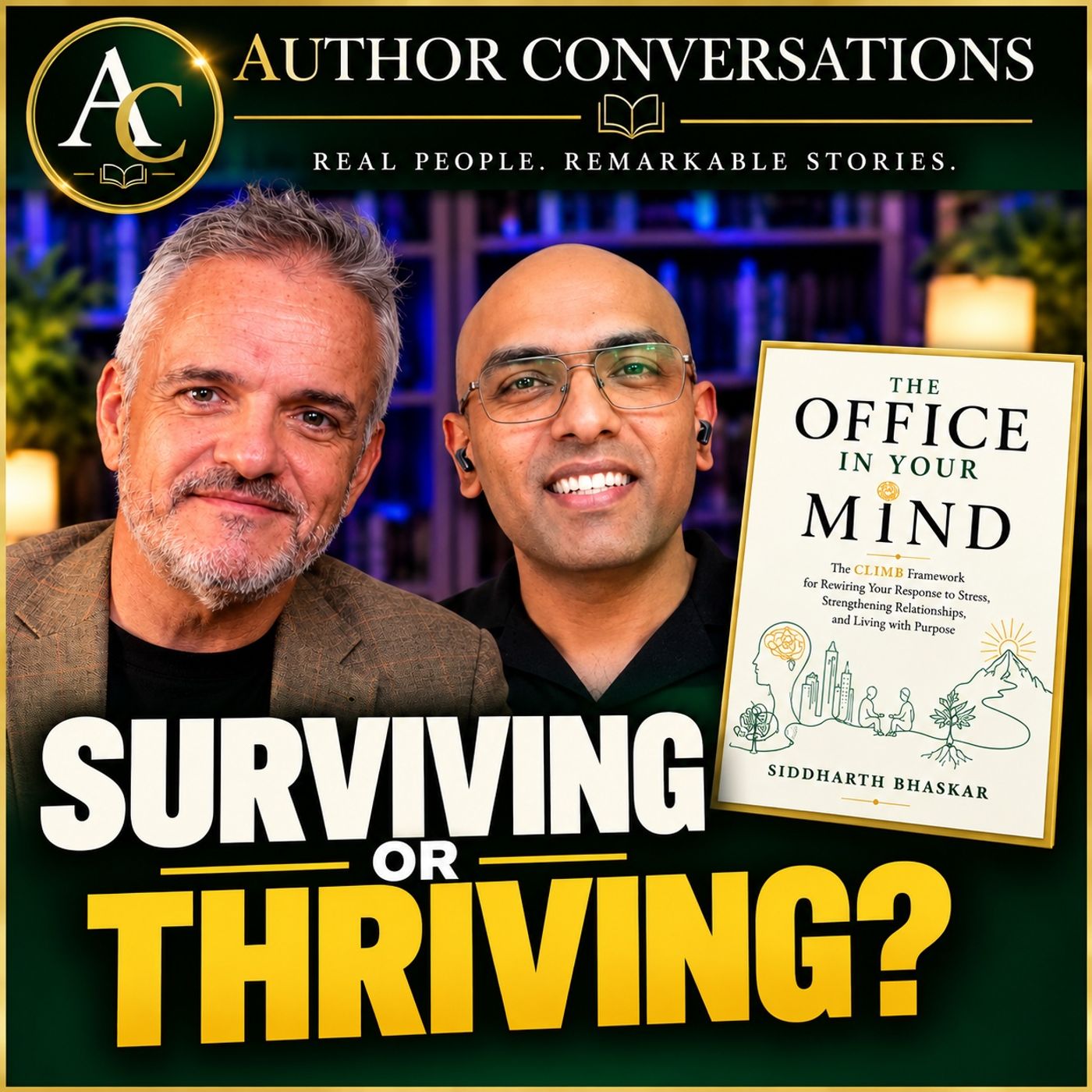
How to Use the CLIMB Framework to Move from Surviving to Thriving at Work
Discover how the CLIMB framework bridges the gap between chronic workplace stress and genuine personal fulfillment. By examining the transition from unconscious incompetence to mastery, professionals can learn to rewire their daily stress responses, abandon survival mode, and build sustainable emotional resilience in demanding corporate environments.
Key Takeaways
- The baseline of workplace stress has steadily increased over the last two decades, forcing many professionals to settle for merely surviving rather than thriving.
- Traditional meditation isn't the only form of mindfulness; micro-practices like intentional walking and eating can immediately lower amygdala reactivity.
- The CLIMB framework maps a path from blind spots and unconscious incompetence to mastery and effortless execution.
- Biological responses, such as the ventral vagal system, prove that human well-being relies heavily on safe social connection and community.
The Trap of Corporate Survival Mode
Most modern professionals do not wake up thinking they are failing. In fact, many would describe themselves as successful. They hit project deadlines, manage heavy workloads, pay their mortgages, and support their families. Yet underneath that veneer of external achievement lies a quiet, persistent undercurrent of exhaustion. The baseline of stress in the professional world has crept steadily upward over the past twenty years, establishing a toxic new normal.
When stress becomes the default operational state, people stop living and start merely coping. They tolerate hostile meetings, ruminate over unread emails on Sunday evenings, and tie their entire identity to output. This lifestyle creates a dangerous illusion: because the bills are paid, the stress is justified. However, treating survival as a substitute for fulfillment slowly erodes mental health, damages personal relationships, and disconnects individuals from any meaningful sense of purpose.
Recognizing the Cost of Emotional Reactivity
Every time an unexpected email pops up on a screen or a manager makes a sudden demand, the brain's alarm system—the amygdala—fires off a rapid survival response. Without intentional pauses, humans rely entirely on raw reactivity. This neurological pattern does not just ruin moods; it fractures relationships. Neuroscience and psychology demonstrate that true professional success is deeply intertwined with relational well-being. If an executive builds a business empire but lacks the emotional calm to respond to family and colleagues with dignity, the cost of that success is far too high.
Beyond the Cushion: Practical Everyday Mindfulness
When people hear the word "mindfulness," they frequently picture an ascetic sitting cross-legged in absolute silence for an hour. For a busy parent or corporate professional struggling to stay afloat, finding an extra sixty minutes of quiet time feels impossible. Telling an overwhelmed worker to meditate more often results in frustration rather than relief.
True mindfulness, however, is not about escaping reality; it is about engaging with reality intentionally. Informal mindfulness integrates seamlessly into daily routines:
- Mindful Walking: Instead of rushing down a hallway fixated only on the destination, pay attention to the physical sensation of movement, the shifting of weight from heel to toe, and the rhythm of the breath.
- Mindful Eating: Notice the textures, aromas, and sounds of a meal rather than consuming food mindlessly while staring at a laptop screen.
- Intentional Pausing: Before opening a stressful email or replying to a difficult colleague, take a single breath to shift neurological control away from the amygdala and toward the prefrontal cortex.
Mastering the CLIMB Framework
To move past random techniques and establish lasting emotional regulation, a structured approach is required. Drawing inspiration from classic learning theories regarding competence, a five-part methodology known as the CLIMB framework provides a roadmap for personal evolution.
Breaking Down CLIMB
The acronym represents a deliberate journey from hidden vulnerabilities to subconscious mastery:
- C - Clueless: Acknowledging your blind spots. In this stage, you do not know what you do not know about your emotional triggers and stress habits.
- L - Looking Into It: Utilizing mindfulness to intentionally bring awareness to those hidden blind spots without immediate judgment.
- I - Intending: Setting a clear, purposeful objective to actively work on changing your behavioral and emotional responses.
- M - Mastering: Engaging in formal and informal practices to hone your emotional regulation skills until they become reliable habits.
- B - Being: Reaching a state of unconscious competence where healthy responses and calm presence become your effortless, natural default state.
By moving through these stages, individuals stop fighting their own biology and start building a resilient internal infrastructure that can withstand external chaos.
Conclusion
Overcoming burnout requires more than a weekend getaway or a temporary break from work; it demands a fundamental shift in how we process stress, relate to others, and define success. By embracing micro-practices of mindfulness and stepping through a structured model like the CLIMB framework, anyone can transition from merely surviving each day to truly thriving.
To dive deeper into these insights, explore the personal experiences behind this philosophy, and learn more about rewiring stress for long-term purpose, Listen to the full episode of Author Conversations.
Frequently Asked Questions
What does CLIMB stand for in Siddharth Bhaskar's framework?
CLIMB stands for Clueless (identifying blind spots), Looking into it (bringing awareness), Intending (setting purposeful practices), Mastering (honing the skill), and Being (integrating the skill unconsciously).
How can I practice mindfulness at work without sitting in meditation?
You can practice informal mindfulness by bringing deliberate, undivided attention to everyday actions like reading an email, walking to a meeting, or eating lunch without distractions.
What is the difference between surviving and thriving in a corporate career?
Surviving involves managing stress just enough to pay bills and meet external expectations, while thriving involves emotional regulation, calm responses, and alignment with a deeper sense of personal purpose.
Why do emails or unexpected messages trigger physical stress responses?
According to polyvagal theory, sudden workplace alerts can activate a stress response via the ventral vagal nerve, signaling the brain to look for safety and threat mitigation.