Why Aging and Chosen Family Are Central Themes in LGBTQ+ Fiction
Aging in LGBTQ+ literature often reflects historical realities that go beyond standard coming-of-age tropes. This deep dive examines how authors like Gunther Allen capture the complexities of growing older, the vital role of chosen families, and why preserving these generational stories remains essential for younger queer communities.
Key Takeaways
- LGBTQ+ literature frequently explores aging, grief, and companionship from a uniquely queer perspective.
- The HIV/AIDS crisis fundamentally shaped modern queer communities, making chosen family a matter of survival.
- Intergenerational friendships in fiction help bridge historical gaps between older and younger generations.
- Preserving older queer narratives counters modern political headwinds and book bans seeking to erase LGBTQ+ history.
The Reality of Aging in LGBTQ+ Literature
For decades, mainstream media and literature treated queer characters as temporary figures or tragic tropes. Aging out of youth was rarely depicted because the characters themselves were seldom allowed to grow old on the page. However, contemporary authors are shifting this paradigm by asking what it truly means to navigate late life as an LGBTQ+ individual.
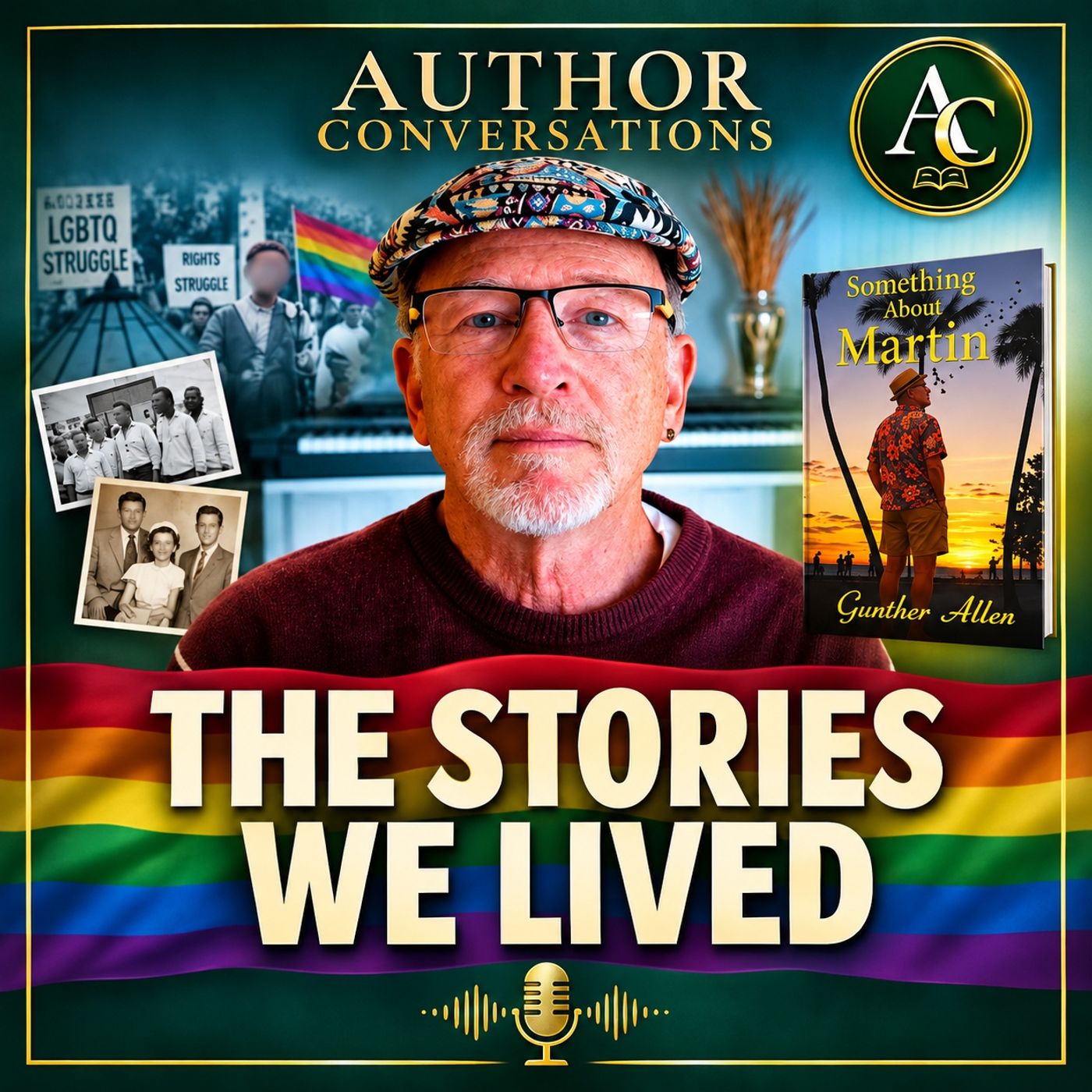
When writing about characters in their late eighties—such as Martin Riley in Gunther Allen's eBook Something About Martin—authors tackle the intersection of advanced age, the loss of lifelong partners, and the unexpected discovery of new companionship. These stories reject the notion that older adults stop falling in love, making mistakes, or needing deep human connection. Instead, they demonstrate that getting older simply provides more complex emotional material for the human experience.
Challenging Youth-Centric Narratives
Mainstream cultural representations of LGBTQ+ people have historically centered heavily on youth and the initial coming-out phase. While vital, this narrow focus can alienate older demographics who lived through vastly different political and social eras. By anchoring stories in late life, authors provide validation for seniors who rarely see their current life stages reflected in fiction.
Chosen Family as a Historical Necessity
The concept of chosen family is a cornerstone of queer culture, but its roots are deeply tied to historical survival rather than mere convenience. During the 1970s and 1980s, many gay men and queer individuals faced severe alienation from their biological relatives upon revealing their identities. Support systems were built from scratch within local communities.
The devastation of the HIV/AIDS crisis in the 1980s and early 1990s amplified this dynamic. As friends fell ill and passed away while the broader world debated their humanity, communities rallied around caregiving, mutual aid, and grief support. This history transformed chosen families into enduring support structures. In fiction, portraying cross-generational roommates or unlikely friendships—like an 89-year-old man and a college student—serves to honor these profound bonds of care that exist independently of shared DNA.
Passing the Torch Across Generations
Intergenerational connections in queer literature do more than drive a plot forward; they act as a vital bridge. Younger generations often enjoy hard-fought legal protections and social visibility that were unimaginable decades ago. Yet, without literary exploration of the past, the sacrifices required to achieve those freedoms risk being forgotten. Fiction acts as an archive of lived experience.
Preserving History Against Erasure
The modern political atmosphere, marked by legislative pushback, curriculum restrictions, and book bans, makes the preservation of queer history more critical than ever. Older authors who lived through eras of systemic discrimination possess firsthand knowledge of a world where being openly gay could cost a person their job, housing, or physical safety.
Writing these stories is not about romanticizing a painful past. Living in the closet was never a charming historical quirk, and discrimination did not build character; it caused generational trauma. However, documenting how freedom was won—through activism, resilience, and community building—ensures that the historical memory remains intact for future readers.
Conclusion
Exploring the nuances of aging, chosen families, and historical preservation in LGBTQ+ fiction deepens our understanding of the queer experience. To dive further into these themes and hear how personal life experiences translate into powerful storytelling, Listen to the full episode of Author Conversations with Chris Dabbs.
Frequently Asked Questions
Why is chosen family a recurring theme in LGBTQ+ literature?
Chosen family features prominently because biological rejection and historical crises like HIV/AIDS forced queer communities to build their own vital support systems and care networks.
How do intergenerational stories benefit younger readers?
They provide context and emotional understanding of the activism and personal sacrifices that laid the groundwork for modern LGBTQ+ rights and social visibility.
Why is depicting older queer characters important?
It combats youth-centric media biases by showing that older adults continue to experience love, grief, companionship, and personal growth throughout their lives.
How does fiction help preserve queer history?
Narratives based on lived experiences capture the emotional and historical reality of past decades, serving as an accessible archive against political erasure and censorship.