Why You Should Consider Writing Your First Novel After 60
Writing your first novel after 60 is not just a creative pursuit; it is a profound act of personal reinvention. By drawing on decades of life experiences, grief, and long-held dreams, older authors can craft narratives with an emotional depth and authenticity that younger writers often struggle to replicate. In this guide, we explore how to turn life's later chapters into a published work of fiction.
Key Takeaways
- Age provides a unique reservoir of perspective and resilience that enhances storytelling.
- The creative process serves as a powerful tool for self-discovery and reclaiming one's identity.
- Support systems—from friends to family—are essential for transitioning from a hobbyist to a published author.
- Treating your writing as a "new beginning" rather than a final chapter can revitalize your daily routine.
- Personal life events, even painful ones, provide the emotional raw material that makes fictional characters feel real.
The Power of Lived Experience in Fiction
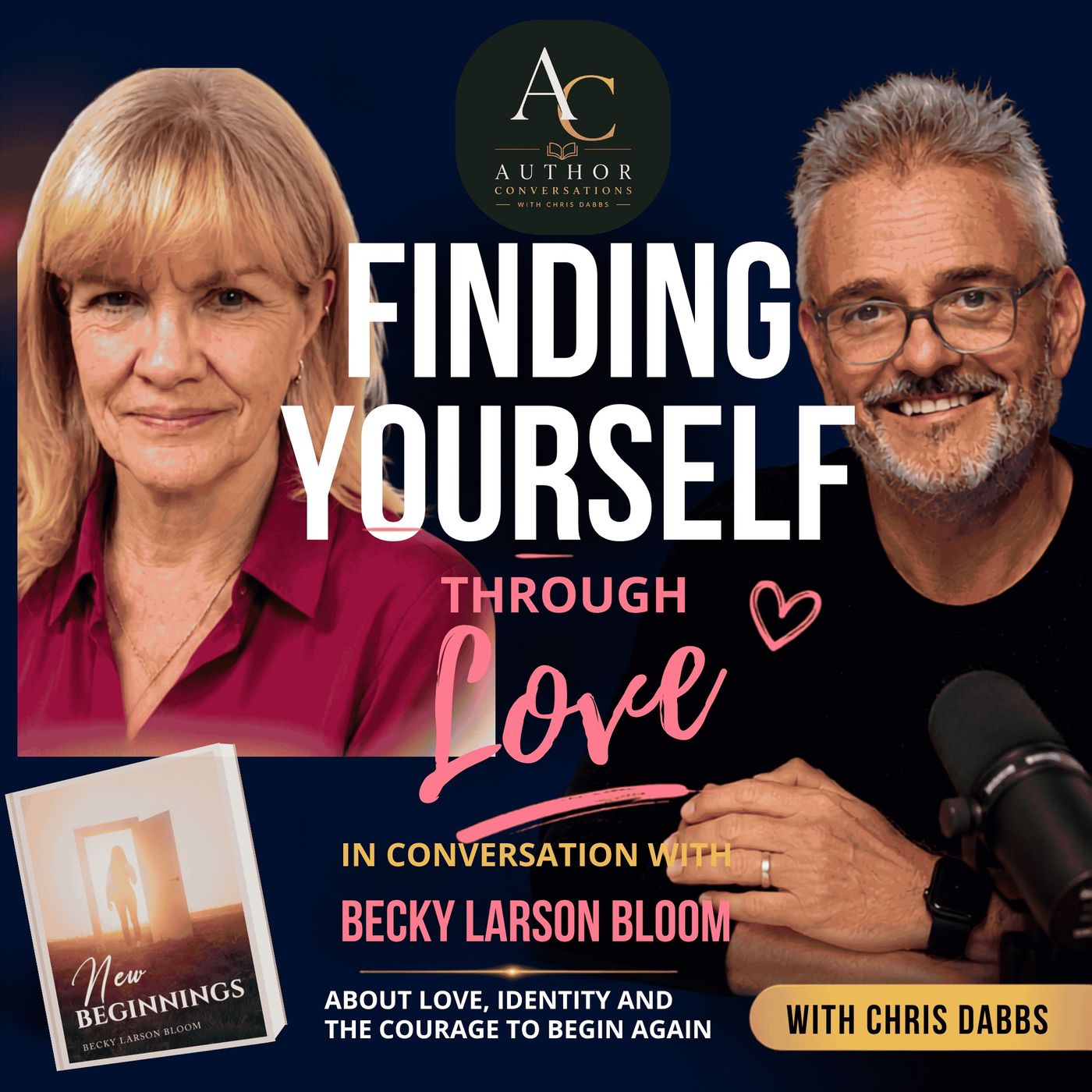
Many aspiring authors believe that to write a successful book, they must start early in life. However, Becky Larson Bloom’s journey highlights that the opposite is often true. When you write later in life, your characters are not just products of your imagination; they are reflections of the lessons, heartbreaks, and victories you have earned over decades. This is the "secret sauce" of older debut authors.
When you start writing at 67 or 70, you are not writing from a place of theory; you are writing from a place of knowing. As discussed in recent interviews, weaving personal regrets and dreams into a narrative creates a resonance that readers can feel. This emotional honesty is what turns a simple story into a mirror for the reader.
Translating Reality to Fiction
You do not need to write an autobiography to be personal. By taking the essence of your own experiences—such as the feeling of being held back in a one-sided marriage or the thrill of finally trying something new—you can build characters who struggle with the same universal themes of identity and courage. Your history is the foundation upon which your fictional world stands.
Overcoming the Fear of Starting
The biggest hurdle for any new author is the internal voice of doubt. For those writing later in life, the societal pressure to "slow down" can be a significant barrier. Yet, the act of writing a novel is inherently rebellious. It asserts that you still have things to say and stories to share with the world.
One of the most effective strategies for overcoming this inertia is to focus on a specific, meaningful goal. For Bloom, it was a promise to a loved one. By anchoring your book in a personal mission, you create a sense of accountability that survives the inevitable writer's block and the technical challenges of the publishing process.
The Role of External Support
Writing is often a solitary act, but becoming a published author is a team effort. You need people around you who believe in your story before it is even finished. Whether it is a niece, a lifelong friend, or a writing group, finding someone who can look at your draft and say, "This should be a book," is invaluable.
These supporters help bridge the gap between keeping a private journal and creating a public manuscript. They act as your first audience, helping you refine your voice and reminding you why you started the process in the first place. Without their encouragement, many great stories would remain locked in desk drawers forever.
Reclaiming Your Identity
Writing a book can act as a catalyst for other changes in your life. As you develop your characters' arcs, you may find yourself becoming more confident in your real-world choices. If your protagonist can learn to stand up for themselves or try a new activity, you will find it easier to do the same.
This is the true beauty of late-life creativity. It is not just about producing a product; it is about expanding your own horizons. It is about proving to yourself that your story is not finished and that your next chapter can be the most vibrant one yet.
Conclusion
It is never too late to pick up the pen and honor the stories that have shaped you. Whether you have been dreaming of writing for decades or you have only recently discovered the urge, the world needs your perspective. If you are looking for inspiration to start your own literary journey, Listen to the full episode featuring Becky Larson Bloom, where we explore the nuances of writing with emotional honesty and the joy of starting over at any age.
Frequently Asked Questions
Is there an age limit to becoming a successful author?
Absolutely not. Many celebrated authors published their debut works well into their sixties, seventies, and beyond. Your age is a competitive advantage that provides a depth of insight younger authors rarely possess.
Should I write about my own life if I want to write fiction?
You can use your life experiences as a springboard. While you don't need to write a memoir, incorporating your own dreams, regrets, and emotional realizations will make your fictional characters feel significantly more authentic to the reader.
How do I find support as an older writer?
Look for local library writing groups, online forums for debut authors, or simply share your work with trusted friends. The key is to find someone who values the process of storytelling as much as the result.
Where is the best place to start if I have no experience?
Start by keeping a journal or writing short vignettes. Don't worry about publishing yet; focus on the habit of putting words on the page daily. Once you have a collection of ideas, you can begin to shape them into a narrative structure.
How Psychotherapy Informs Character Development in Fiction Writing