Writing Military Sci-Fi: How Real US Army Experience Shapes Fictional Space Combat
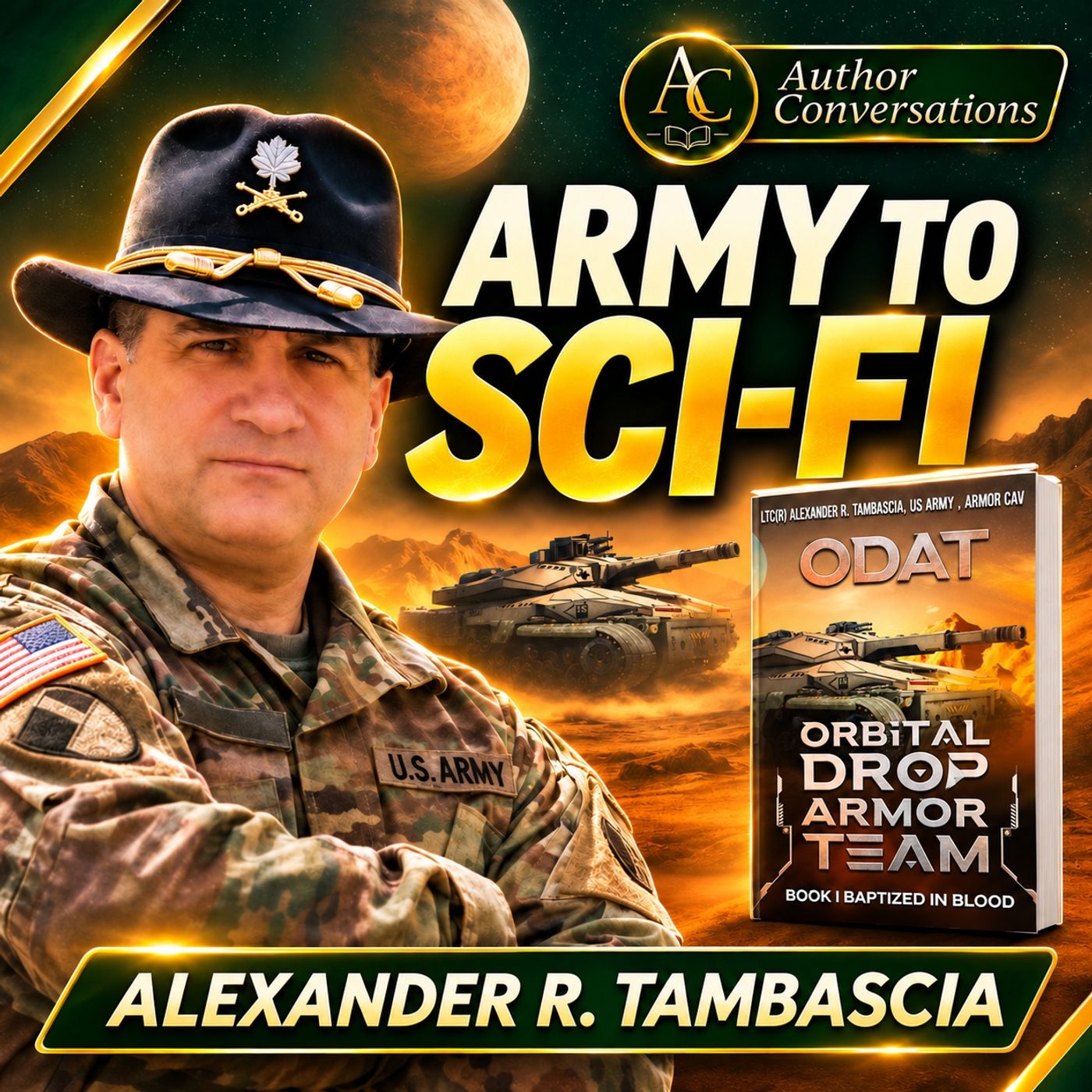
Writing authentic military science fiction requires far more than futuristic gadgets and starships; it demands a deep understanding of human psychology, leadership under fire, and tactical realism. When former US Army Lieutenant Colonel Alexander R. Tambascia transitioned from 28 years of military service to writing the ODAT series, he brought the gritty, unfiltered realities of modern warfare into an intergalactic setting. This guide explores how real-world combat experience translates into believable sci-fi worldbuilding.
Key Takeaways
- Military sci-fi grounded in real-world tactics resonates more deeply with both veterans and civilian readers.
- Transitioning from a 28-year military career to civilian life and writing can spark unexpected creative outlets.
- Fictional universes benefit from maintaining technological divide limitations, keeping human characters reliant on relatable gear.
- Accurate portrayals of combat stress, leadership choices, and tactical decision-making replace Hollywood tropes with authentic grit.
The Reality of Military Sci-Fi vs. Hollywood Tropes
Most mainstream science fiction portrays warfare through a cinematic lens, focusing on invincible super-soldiers, flashy energy weapons, and bloodless skirmishes. However, authors who have served in active combat environments know that actual warfare is vastly different. It is characterized by exhaustion, logistical nightmares, psychological weight, and brutal tactical decisions.
When Alexander R. Tambascia began writing his Orbital Drop Armor Team (ODAT) books, he deliberately chose to reject the 'Captain America' or 'Rambo' archetypes. Instead, his protagonist is an average terrestrial tanker thrust into an extraordinary and overwhelming situation. By grounding the human elements of the story in genuine military culture, the narrative captures the true friction and chaos of combat operations.
Translating Tactical Experience Into Worldbuilding
Building a believable military sci-fi universe requires rigorous attention to how armies actually function, communicate, and fight. Authors cannot simply drop soldiers into space without considering doctrine, equipment maintenance, and chain of command.
Grounding Advanced Tech in Familiar Physics
One common pitfall in science fiction is giving every faction instant access to god-like technology. In Tambascia's universe, a deliberate technological divide exists. While the advanced alien empires wield mystical, high-end scientific marvels—often viewed by humans like magic—the human soldiers rely heavily on modified, near-future equivalents of conventional military hardware, such as advanced main battle tanks deployed from orbit via specialized drop sleds.
Capturing the Psychological Cost of Leadership
Real military experience goes beyond hardware specifications; it shapes how characters interact under pressure. Leadership in combat means making life-or-death decisions where every choice carries a heavy burden. Capturing the internal monologue of a leader wrestling with these consequences adds a layer of emotional resonance that pure action-adventure stories often miss.
Why Readers and Veterans Connect With Gritty Realism
Authenticity matters, particularly to readers who have served in uniform. When combat sequences—down to the visceral mechanics of close-quarters combat or armored engagements—are written with genuine tactical accuracy, veterans notice. Feedback from international military personnel highlights how accurately capturing the dark, gritty nature of operational stress validates their own experiences while giving civilian readers a rare glimpse into the true human cost of conflict.
Conclusion
Writing compelling military science fiction is an exercise in bridging the gap between imaginative space opera and the hard, unyielding truths of human conflict. By drawing directly from decades of operational service, authors can craft stories that honor those who serve while entertaining readers worldwide. To dive deeper into how military service inspired these sci-fi worlds, Listen to the full episode of Author Conversations with Chris Dabbs to hear the complete interview.
Frequently Asked Questions
What makes military science fiction feel authentic to veterans?
Authentic military sci-fi accurately reflects tactical procedures, unit camaraderie, the psychological weight of command, and the gritty, unfiltered realities of combat rather than relying on Hollywood action tropes.
How do real-world military vehicles inspire sci-fi tank warfare?
Authors often take modern armored platforms, such as the M1 Abrams, and extrapolate their capabilities into near-future or interstellar scenarios, imagining how heavy armor would adapt to orbital drops and extraterrestrial terrain.
Why is a technological divide important in sci-fi worldbuilding?
A technological divide keeps human characters grounded and relatable by forcing them to rely on conventional or modified near-future weaponry while facing vastly superior or mysterious alien technology.
How can aspiring authors use personal career experience in fiction?
Writers can draw on the unique culture, interpersonal dynamics, structural hierarchies, and emotional trials of their professional backgrounds to build deeply immersive and believable fictional worlds.