Why Black Male Educators Are Caught in a Professional 'Double Bind'
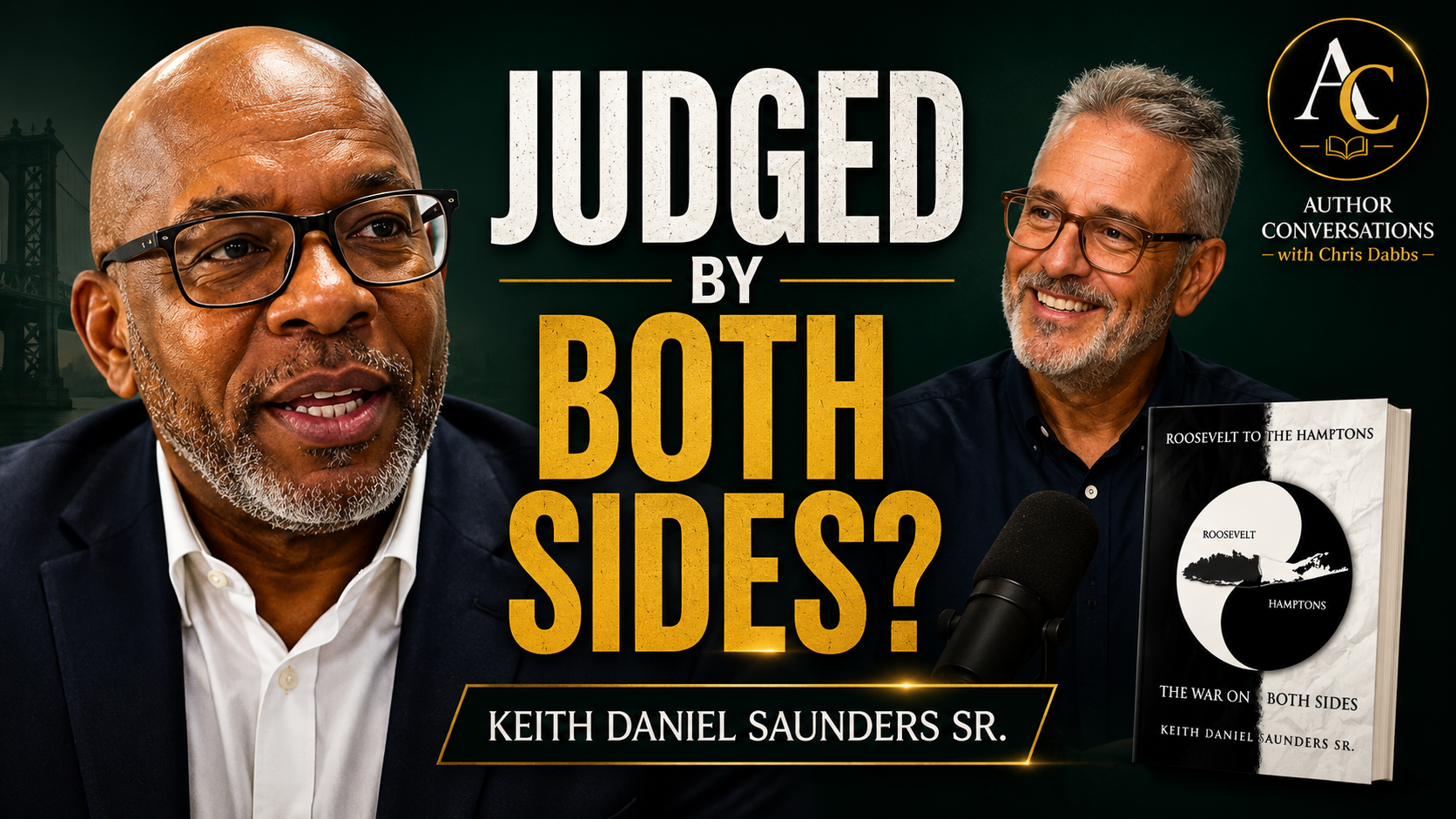
Black male educators and/or teachers in the USA and beyond often find themselves navigating a complex professional landscape where they are expected to serve as pillars for their home communities while simultaneously proving their legitimacy in predominantly white institutional spaces.
This phenomenon, often described as a professional 'Black male educators' double bind' requires these leaders to balance cultural authenticity with institutional expectations, often leading to isolation and misunderstanding from both sides.
Key Takeaways
- Black male educators often face skepticism regarding their qualifications in predominantly white districts, frequently being mislabeled as 'affirmative action' hires.
- Within their own communities, these same educators may be unfairly labeled as 'sell-outs' for operating within systems that historically marginalized Black families.
- Effective leadership in education requires a move toward social-emotional mentorship that extends far beyond standard classroom curriculum.
- Self-awareness and faith serve as critical anchors for educators trying to navigate dual-identity expectations without losing their professional integrity.
- Lasting change in education comes from bridge-building and honest dialogue rather than choosing sides in ideological conflicts.
The Anatomy of the Double Bind
In the world of K-12 education, the journey of a Black male principal is rarely straightforward. As highlighted in recent discussions regarding the nuances of the American school system, these leaders are often subjected to a unique type of scrutiny. In predominantly white school districts, there is a persistent, underlying assumption that a Black educator’s presence is the result of social programs rather than hard-earned credentials. This subtle—and sometimes overt—prejudice creates a hurdle that requires the educator to constantly validate their intellectual authority.
But, when these same educators/teachers choose to serve in their home communities, they are often met with a different kind of resistance. Because the public education system has a long, troubled history with the Black community—from the Dred Scott decision to Plessy v. Ferguson—some community members view any figure representing that institution with deep suspicion. The educator may be doing the vital work of advocacy, yet they are often judged by the perceived failures of the system they are working to reform from the inside.
Challenging Internalized Stereotypes
The core of this struggle is the inability of both 'sides' to see the educator as an individual rather than a symbol. The educator is caught in a paradox: to the white community, they are a token; to the Black community, they are an agent of the status quo. Both narratives ignore the reality of the educator’s mission, which is often deeply rooted in a desire to return home and provide the kind of mentorship they lacked or were fortunate enough to receive themselves.
The Necessity of Mentorship Over Curriculum
The true power of an educator lies not in the dissemination of math or science, but in the ability to provide mentorship that addresses the whole child. For many, the classroom is the only space where they can access emotional and social-emotional guidance. This was a central theme in the career of Keith Daniel Saunders Sr., who identified that his most lasting contributions weren't found in a textbook but in the life lessons he shared with his students.
Mentorship in this context involves filling in the gaps that the standard curriculum ignores. This means teaching students about financial literacy, the importance of long-term career planning, and how to navigate institutional structures that weren't necessarily built with them in mind. When an educator has the lived experience to share their own struggles—whether it be loss, financial hardship, or the experience of being a minority in a boardroom—that vulnerability builds a bridge of trust that is essential for student success.
Building Bridges Instead of Barriers
To break this double bind, the educational system must prioritize empathy and understanding. Educators who operate in the 'middle'—those who can effectively communicate across racial and social lines—are perhaps the most valuable assets a school district can have. However, they need support to avoid burnout. Without a strong personal foundation, such as faith or a commitment to a larger vision, the constant pressure to define oneself for others can become debilitating.
If we want to see systemic change, we must stop asking Black male educators to choose sides. Instead, we should support their efforts to bridge the gaps between communities. True leadership is found in the ability to remain authentic, to be a professional in the boardroom, and to be a compassionate mentor in the classroom. Listen to the full episode of Author Conversations to dive deeper into the story behind these experiences and learn more about how one educator transformed his personal struggle into a lifelong mission of service.
Frequently Asked Questions
What is the professional double bind for Black male educators?
It refers to the simultaneous pressure of being perceived as unqualified in predominantly white institutions while being distrusted as a 'sell-out' in Black communities.
How can educators bridge the gap between communities?
By focusing on transparent communication, demonstrating consistent professionalism, and maintaining a clear, personal mission of advocacy that prioritizes student well-being over institutional politics.
Why is mentorship critical for student success?
Mentorship provides students with social-emotional support and real-world skills like financial literacy that standard textbooks often neglect, helping them navigate complex life challenges.
How Psychotherapy Informs Character Development in Fiction Writing