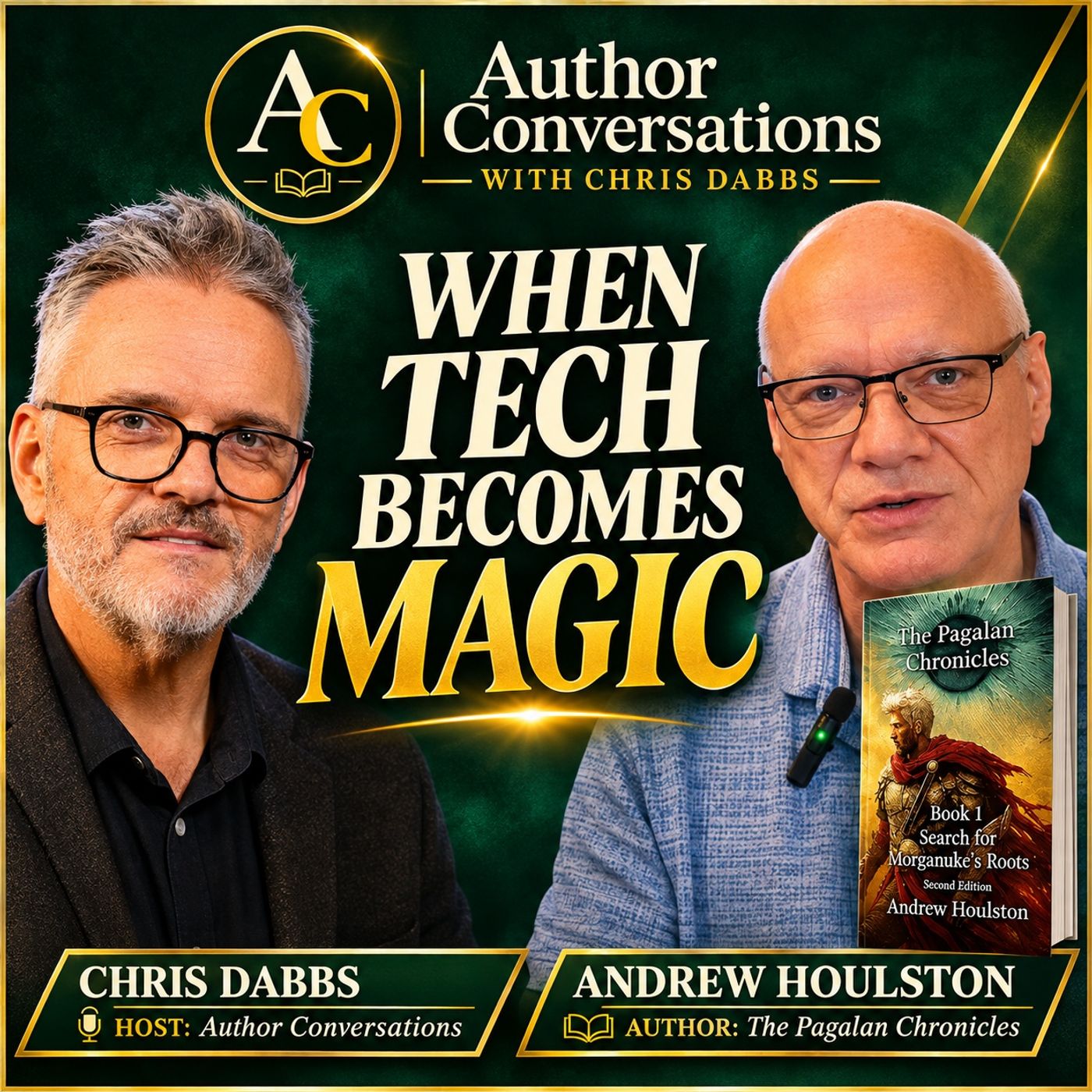
When RAF Precision Meets Fantasy Worldbuilding: How Military Planning Shapes Sci-Fi
Discover how transitioning from military planning and technical manuals in the Royal Air Force to writing epic fantasy changes an author's creative process. Learn why meticulously outlined fictional worlds often require authors to surrender strict control, allowing characters and ancient technologies to organically evolve beyond initial blueprints.
Key Takeaways
- Military and technical backgrounds instill a rigorous habit of outlining every chapter and scene to the nth degree.
- Strictly planned worldbuilding can sometimes constrain creative storytelling, requiring authors to loosen control.
- Allowing characters to develop independently transforms an author from a strict engineer into a narrative chronicler.
- Blending medieval societal settings with highly advanced, inherited technology creates the illusion of magic.
- Balancing rigid structural planning with organic character growth produces resilient, long-running fantasy series.
The Transition from RAF Precision to Fantasy Fiction
When you spend decades working in environments that demand absolute accuracy, such as the Royal Air Force or complex technical industries, your mindset becomes inherently structured. Every project requires meticulous testing, careful scoping, and detailed execution. Writing a book using this framework usually means outlining every narrative beat, mapping out chapters in specialized software, and treating a fictional manuscript like a high-stakes engineering blueprint. However, creative writing possesses a wild, untamed nature that frequently rebels against rigid frameworks.
For authors making the leap from technical writing to speculative fiction, the initial hurdle is often learning when to let go. Technical manuals do not allow for impromptu creative liberties; safety and precision are paramount. Yet, when crafting a sprawling fantasy universe like Pagalan, maintaining an iron grip on every single character action can suffocate the narrative. The realization that fictional creations must be allowed to make mistakes, surprise their creators, and carve their own paths marks a pivotal evolutionary stage for any militarily trained storyteller.
Overcoming the Urge to Over Plan
Initial drafts written with an analytical mindset can feel stiff, resembling technical specifications rather than living, breathing stories. Many authors find themselves rewriting their debut novels multiple times before discovering the right balance. By loosening the reigns, the writing process shifts from mechanical execution to genuine discovery. The author stops acting solely as a harsh taskmaster and begins functioning as a chronicler of a world that is unfolding in real-time.
Advanced Technology Disguised as Medieval Magic
One of the most compelling tropes in speculative fiction is the blending of primitive societal structures with incomprehensible scientific advancements. In worlds where populations live in a medieval-style society, technology that exceeds their comprehension is invariably interpreted as sorcery. This narrative device creates a fascinating dynamic for characters trying to understand their place in the universe. They interact with mechanisms, resonance fields, and relics left behind by mysterious benefactors, all while possessing only a fraction of the knowledge required to truly operate them.
This approach mirrors real-world historical transitions where lost or inherited knowledge became mythologized over generations. For a writer with a technological background, designing these complex systems provides a unique playground. Instead of relying on traditional spellcasting and magical potions, the world's supernatural elements are rooted in ancient, living sciences. Characters with specialized bloodlines or higher-order attunement can interact with these systems, creating a structured magical framework that satisfies both fantasy lovers and hard-sci-fi enthusiasts.
The Hierarchy of Inherited Knowledge
In sprawling fantasy chronicles, knowledge is rarely distributed evenly. Establishing a societal hierarchy based on who can attune to ancient resonance fields adds political intrigue and personal stakes. Characters must navigate class divides not just based on wealth or lineage, but on their ability to interface with forgotten technologies. This depth transforms a standard hero's journey into an exploration of anthropology, ancestry, and technological decay.
Legacy, Ancestry, and the Search for Belonging
At the heart of many epic fantasy narratives lies a deeply personal question: Where do I truly belong? Protagonists who stand out physically—such as characters with distinct features, unique hair colors, or unexplained abilities—often grapple with a profound sense of alienation. Even within loving adoptive families, the internal yearning to understand one's bloodline, lineage, and ultimate origins can drive an entire multi-book series.
Exploring ancestry in fiction allows authors to examine legacy not as a rigid chain that traps individuals into predetermined roles, but as a connecting thread between generations. True belonging is forged through shared challenges, teamwork, and earning the respect of mentors and peers, rather than simply discovering a royal or mystical family tree. When characters face insurmountable odds together, they redefine their legacy through loyalty and camaraderie.
Conclusion
The intersection of military precision and imaginative fantasy worldbuilding offers a fascinating glimpse into how different life experiences shape storytelling. Whether examining the mechanics of ancient, forgotten technologies or the deeply human quest for identity and belonging, authors draw richly from their professional pasts to breathe life into fictional realms. To dive deeper into how military backgrounds influence creative writing and worldbuilding design, make sure to Listen to the full episode of Author Conversations with Chris Dabbs to hear the complete, insightful discussion.
Frequently Asked Questions
How does a military background affect fantasy writing?
A military and technical background often brings a meticulous, highly structured approach to initial outlining and worldbuilding. However, authors must often learn to relax this rigidity to let characters grow organically.
What is the tech-meets-magic trope in fantasy?
This trope occurs when a society living in a primitive or medieval setting encounters highly advanced, inherited technology that they misinterpret as magical spells and supernatural forces.
Why is lineage important in epic fantasy series?
Lineage helps establish long-term historical depth across a series, explaining why certain protagonists possess unique physical traits or rare abilities tied to ancient, forgotten civilizations.
How do authors balance planning with spontaneous writing?
Authors often maintain a broad structural framework or destination for the overall plot while allowing character interactions, dialogue, and minor subplots to develop naturally during the actual drafting process.