How to Talk to Young Children About Gender Identity Without Panicking
When young children ask unexpected questions about gender identity or expression, many parents and carers freeze, worried about saying the wrong thing or lacking the right vocabulary. Navigating these moments without panic requires shifting away from needing formal answers and focusing instead on curiosity, active listening, and creating a safe space for open-ended family dialogue.
Key Takeaways
- Children often begin expressing gender non-conforming traits and preferences as early as toddlerhood.
- Adults do not need all the answers or specialized terminology; a listening, non-judgmental presence matters most.
- Children's books can serve as safe, disarming conversation starters to bridge generational and cultural divides.
- Avoiding harsh judgment and projecting adult expectations helps prevent youth mental health struggles and isolation.
The Reality of Early Gender Expression
For older generations, discussions around gender identity and expression simply did not exist in childhood conversations. Pronouns were straightforward, and traditional roles were rarely questioned openly. However, children today are growing up in a vastly different information landscape. Internet access and broader cultural shifts mean that kids encounter varied expressions of identity long before they reach adolescence.
Social services and child welfare experience shows that children often recognize differences in themselves or others at a very young age—sometimes as toddlers. Whether a young girl gravitates toward masculine clothing, a boy prefers playing with dolls instead of cars, or a child expresses a desire to dress outside conventional norms, these preferences are rarely sudden phases. They are organic parts of self-discovery.
When carers react with panic, immediate correction, or strict adherence to traditional expectations, it sends an unintentional message that the child's feelings are wrong. By contrast, recognizing that these expressions are natural and have existed across human history helps adults reframe the conversation from a crisis into an opportunity for connection.
Why Adults Struggle With the Conversation
The anxiety adults feel when discussing gender identity usually stems from a fear of making mistakes, cultural traditions, or religious backgrounds. In many faith communities and close-knit families, diversity of gender and sexuality has historically been met with silence or rejection. Adults worry about social stigma, the eternal well-being of their loved ones, or simply not knowing the correct terminology to use.
This generational gap in language can make adults feel entirely unequipped. While younger generations effortlessly incorporate terms like non-binary, they, and various pronouns into their vocabulary, older carers often feel left behind. This disconnect can lead to adults shutting down conversations out of fear rather than malice.
Yet, children are rarely looking for a lecture on sociology or a debate on terminology. They are looking for acceptance. When a child opens up about their preferences, they are testing the waters to see if the adults who say they love them will make room for who they actually are. Overcoming adult discomfort requires unlearning the habit of projecting personal expectations onto a child's future and embracing a posture of unconditional presence.
Practical Ways to Start Discussions Without Panic
Starting these conversations does not require a degree in child psychology or an exhaustive glossary of modern terms. Carers can utilize several straightforward strategies to lower the temperature and foster trust:
- Focus on presence over perfection: Understand that you do not need an immediate solution or a definitive answer. Simply letting a child know you hear them is a massive relationship builder.
- Use shared media as a bridge: Illustrated children's books, stories, and gentle visual media can disarm personal biases and give both the adult and the child a neutral third party to talk about.
- Drop the assumptions: Notice when you are automatically assigning gendered expectations—such as assuming a child's hobbies, clothing choices, or career interests based on biological sex.
- Validate feelings in real time: When a child expresses a preference that feels unconventional, resist the urge to lecture. A simple, accepting acknowledgment goes much further than a harsh correction.
The Role of Books in Family Dialogue
One of the most effective ways to bypass adult anxiety and youth defensiveness is through shared reading. Illustrated books designed for both children and carers act as a neutral playground. Instead of a high-stakes, direct confrontation about personal identity, a book allows families to discuss characters, fictional scenarios, and abstract concepts safely.
When books feature diverse characters experiencing life differently, they give children the exact phrasing they may have been struggling to find. A child can point to a character in a story and say, "That right there is what I'm trying to tell you." For carers, reading together provides a structured way to listen, learn vocabulary at their own pace, and practice responding with curiosity rather than fear.
Conclusion and Further Listening
Talking to young children about gender identity and expression does not have to be an intimidating ordeal. By focusing less on having all the answers and more on cultivating a listening ear, carers can build unshakable trust with the children in their lives. Whether you are a parent, foster carer, teacher, or mentor, your primary role is to ensure that kids feel seen, heard, and deeply accepted.
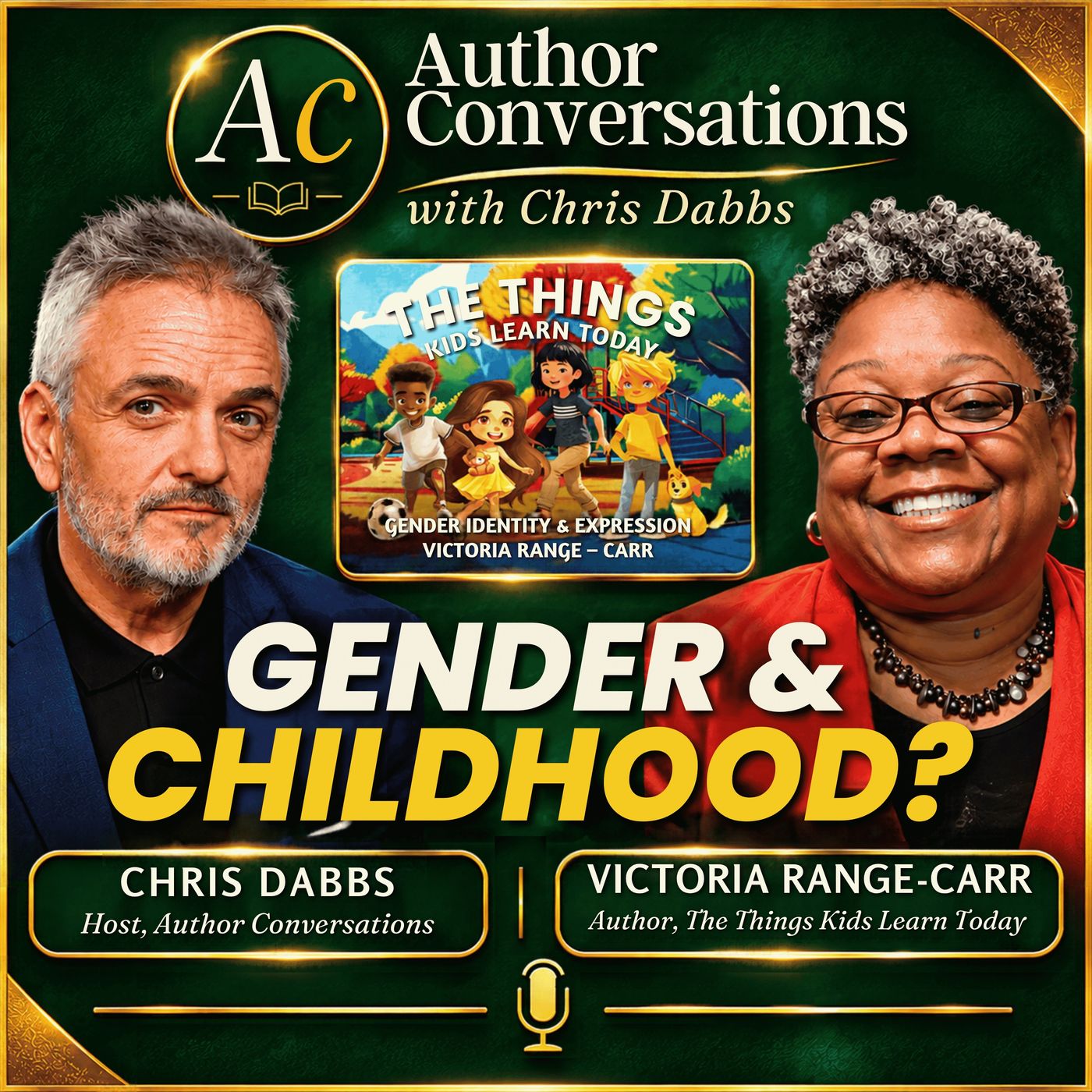
To dive deeper into this subject and explore how literature can transform family conversations, Listen to the full episode of Author Conversations with Chris Dabbs. Gain valuable insights from experienced child welfare professionals and discover actionable steps for bridging generational divides.