How Psychotherapy Informs Character Development in Fiction Writing
When a therapist transitions into writing fiction, human behavior takes center stage. This guide explores how decades of counseling, recognizing behavioral patterns, and understanding psychological awakenings allow authors to craft deeply authentic characters whose relationship struggles resonate with readers of all ages.
Key Takeaways
- Therapeutic experience provides an authentic framework for writing realistic human behavior and relationship friction.
- Characters like Richard and Felicity embody common marital dynamics, shifting from youthful love to emotional distance.
- The introduction of a dynamic character, such as Mario, acts as a psychological awakening rather than a simple plot device.
- Real-world psychological insights help authors build multi-dimensional characters that readers recognize in themselves.
Translating Therapy to the Page
Writing fiction that genuinely captures the complexities of human relationships requires more than just a creative imagination; it demands a deep understanding of why people act the way they do. Authors who spend years working as psychotherapists, clinical hypnotherapists, and life coaches bring a unique toolkit to their storytelling. Instead of relying on tired tropes, they draw from real-world observations of behavioral patterns, emotional blocks, and the subtle ways that marriages slowly unravel over decades.
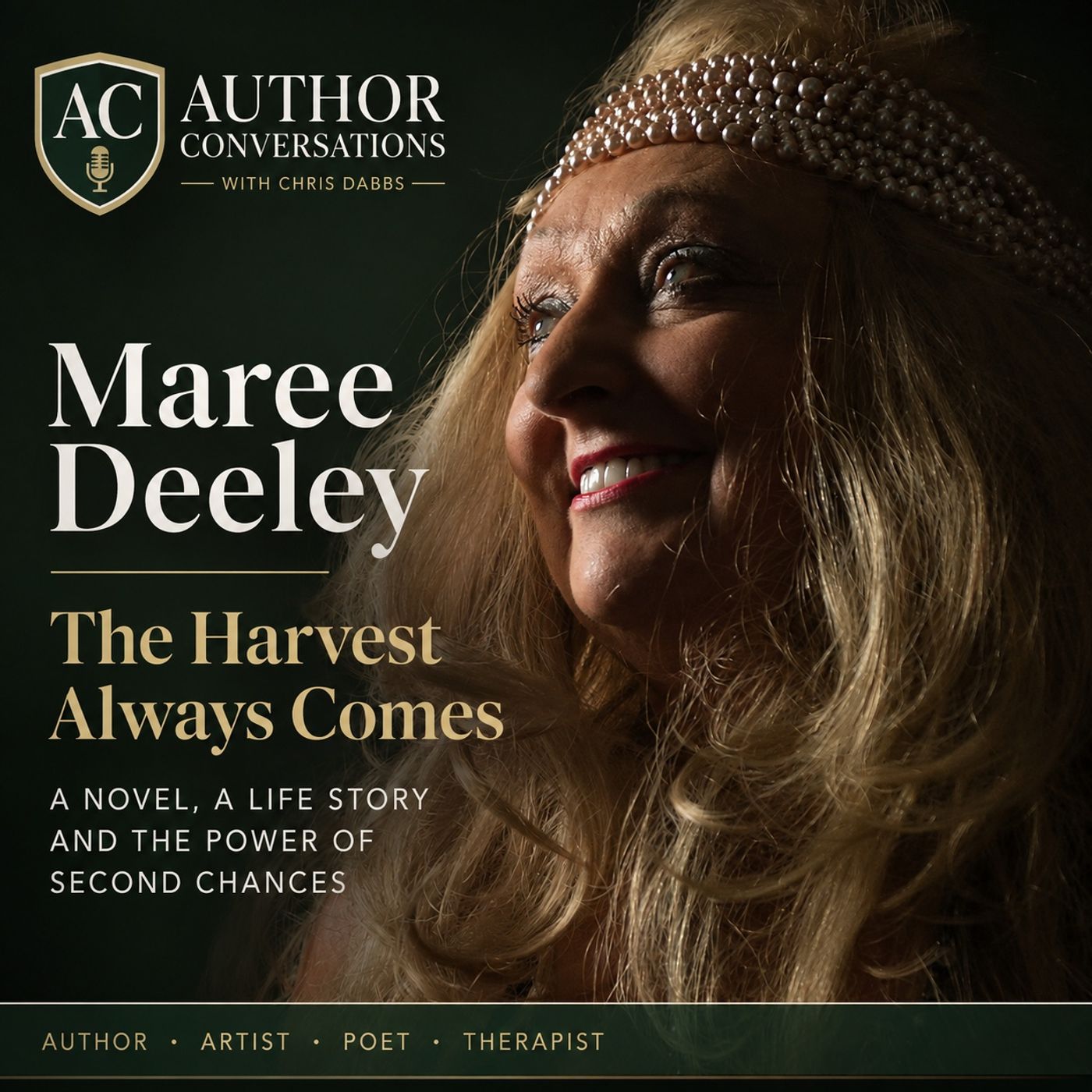
In novels like "The Harvest Always Comes," this psychological grounding is immediately apparent. The characters do not feel like flat inventions designed simply to move a plot forward. They exhibit the authentic hesitations, unspoken resentments, and gradual drift that characterize real human stagnation. When an author spends their days helping clients navigate life-altering decisions and emotional crises, those insights naturally bleed into the fictional lives of their protagonists.
The Anatomy of a Stalled Marriage
One of the most difficult dynamics to portray realistically in fiction is a marriage that has faded from youthful passion into monotonous routine. Many writers fall into the trap of making marital discord melodramatic or overly simplistic. However, real psychological stagnation is often quiet, marked by unexpressed needs and a mutual retreat into individual routines.
By examining how couples communicate—or fail to communicate—authors can accurately depict characters like Richard and Felicity. Richard often represents the feeling of defeat that can settle over someone as career and life pressures mount, while Felicity embodies a latent thirst for something more. This dynamic reflects common counseling scenarios where one partner feels stuck while the other experiences a growing urge to wake up from emotional dormancy.
The Catalyst for Psychological Awakening
In therapeutic practice, true change often requires a catalyst—an event, a realization, or a person that disrupts unhealthy patterns and forces an individual to confront their reality. In fiction, this catalyst serves the same purpose, shaking a character out of their complacency.
When a new figure enters a stagnant environment, they often function as an awakening mechanism. Rather than viewing such characters merely as plot points for romantic tension, a psychologically minded author treats them as mirrors. They reflect what the protagonist has been missing, highlighting the contrast between a dull, routine existence and a vibrant, fully realized life. This approach ensures that even complex narrative turns remain rooted in authentic human motivation and emotional truth.
Conclusion
Ultimately, blending a background in mental health with creative writing allows authors to produce stories that do more than just entertain—they offer mirrors for readers to examine their own lives. To dive deeper into how real-world experiences shape compelling fiction, Listen to the full episode and discover the fascinating stories behind the writing.
Frequently Asked Questions
How does psychotherapy influence character creation?
A background in psychotherapy allows authors to draw from real-life behavioral patterns, emotional struggles, and psychological breakthroughs, resulting in characters with genuine emotional depth and realistic relationship dynamics.
Why do some marriages in fiction feel so realistic?
They feel realistic when authors focus on subtle emotional drift, lack of communication, and the quiet weight of routine rather than relying solely on dramatic arguments or sudden plot twists.
What role does a catalyst character play in psychological fiction?
A catalyst character acts as an awakening force, helping the protagonist recognize unfulfilled needs and contrasting sharply with a stagnant or routine lifestyle.
Can fictional characters help readers recognize their own behavior?
Yes, well-crafted characters who exhibit common human flaws and relationship patterns often prompt readers to reflect on their own lives and emotional needs.