How to Turn Everyday Family Memories and Personal History Into Fiction
Transforming real-life experiences, family lore, and childhood memories into engaging fiction requires a blend of keen observation and imaginative storytelling. By looking closely at ordinary roadside landmarks, family anecdotes, and historical fragments, writers can craft compelling narratives that resonate deeply with readers while keeping personal legacies alive.
Key Takeaways
- Everyday encounters and old family tales can serve as the foundational building blocks for imaginative fiction.
- Observing small details in abandoned places or rural landscapes sparks creative backstories.
- Blending personal oral history with invented characters helps preserve legacy for future generations.
- Collaborating with a partner or editor can streamline the writing process and refine narrative voice.
Cultivating a Curious Mindset
Writing fiction grounded in reality begins with curiosity. Many aspiring writers struggle to find a starting point because they overlook the fascinating details happening right in front of them. When you adopt a nosy, inquisitive approach to your surroundings—wondering who owned an abandoned object, what happened in an old building, or how a small town evolved—you open the door to endless creative possibilities.
Real-life inspiration often hides in plain sight. A drive down a rural country road past a weathered barn or a neglected piece of farm machinery can trigger a cascade of ideas. Instead of just seeing a dilapidated structure, a curious writer envisions the lives of the people who worked there decades ago. This observational habit bridges the gap between nonfiction memories and fictionalized storytelling.
Mining Family Lore for Narrative Gold
Your own family history is a treasure trove of narrative material. Every family has its eccentric characters, legendary misunderstandings, and unbelievable true stories passed down through generations. Whether it is an eccentric relative giving away a farm animal as a wedding present or ancestral struggles overcoming hardship, these real events provide an emotional anchor for your writing.
Adapting True Events Into Plot Points
When adapting true events into fiction, you do not need to stick strictly to the historical record. Use the kernel of truth as a springboard. If a real-night conversation at a local service station led to a young man accidentally cutting up a classic car on chalk lines, take that humorous mishap and expand it. Give your characters distinct traits inspired by people you actually knew, placing them in vivid, recognizable settings from your past.
This approach allows authors to pay homage to their roots without writing a rigid autobiography. It creates a comfortable, fireside storytelling tone that draws the reader in, making them feel like they are sitting across the table listening to a close friend share a remarkable piece of history.
The Collaborative Editorial Process
Writing a book based on personal memories and historical anecdotes is rarely a solo endeavor. Working closely with a partner, spouse, or dedicated editor can elevate your manuscript from a simple collection of random thoughts to a cohesive, polished piece of work. An outside perspective is invaluable for structuring episodic chapters, trimming unnecessary tangents, and ensuring the narrative flows smoothly.
Furthermore, having a trusted partner handle research and proofreading allows the primary author to focus on voice and pacing. This collaborative dynamic ensures that the final product maintains its warm, conversational style while meeting professional publishing standards.
Preserving Stories Through Fiction
Ultimately, turning real-life experiences into entertaining fiction is a powerful way to leave a legacy. Oral histories and family anecdotes fade quickly across generations if they are not recorded in some capacity. By weaving these memories into accessible, episodic chapters, writers ensure that the spirit of their ancestors and the flavor of bygone eras survive long into the future.
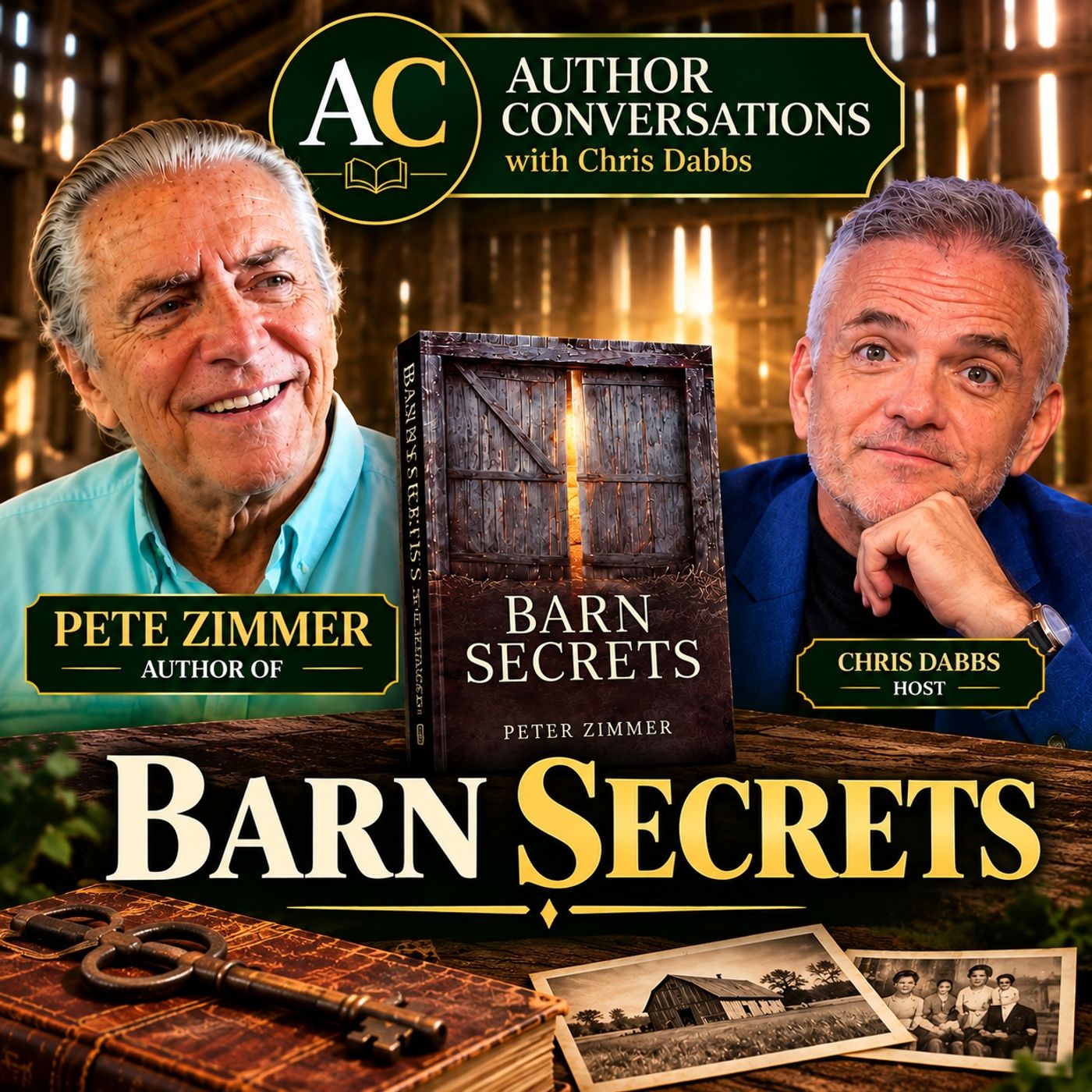
If you want to hear more about how real-life travels, career twists, and family lore inspire creative writing, Listen to the full episode of Author Conversations with Chris Dabbs to dive deeper into the mind of the author.
Frequently Asked Questions
How do you turn a real family story into a fictional scene?
You take the core emotional truth or unusual event—such as a quirky wedding present or an unexpected career mishap—and build a fictional character and setting around it to protect privacy while preserving the memory.
Why is oral history important for writing fiction?
Oral history provides authentic details, dialogue patterns, and genuine emotional resonance that purely invented plots often lack, grounding your fiction in real human experiences.
What should I do if my family memories feel too ordinary to write about?
Shift your perspective by adopting a curious mindset. Mundane settings like old barns, local filling stations, or routine family gatherings often hide fascinating backstories waiting to be uncovered.
How can a spouse or partner help with writing a book?
A partner can act as a dedicated editor, researcher, and sounding board, offering objective feedback and catching grammatical errors that an author might miss after reading their own drafts repeatedly.